How to optimise your Cape Town Airbnb for more bookings and better reviews
Written by Daniel Blaauw
Cape Town’s Airbnb market has changed dramatically over the past few years.
What was once a fairly casual way to generate additional income from a spare room, holiday apartment, or investment property has evolved into a highly competitive hospitality environment where guest expectations now play a direct role in occupancy, reviews, and long-term revenue performance. Our
2026 Cape Town Airbnb performance data quantifies that gap at approximately R40,000 per property in a single peak season.
In 2026, guests are arriving with clearer expectations around comfort, convenience, communication, and overall experience. At the same time, the market itself has become far more competitive, particularly across high-demand areas like the City Bowl, Atlantic Seaboard, and South Peninsula, where professionally managed listings are continuing to raise the standard of what guests expect from short-term rentals in Cape Town.
This shift matters for owners because Airbnb performance is no longer driven by location alone. Strong occupancy, higher nightly rates, repeat bookings, and consistently positive reviews increasingly come from properties that are actively optimised around how people actually travel, book, and live while away from home.
Professional property management companies continuously monitor booking behaviour, occupancy trends, pricing fluctuations and operational performance across the Cape Town short-term rental market. Certain patterns become very clear when managing properties at scale. The strongest-performing Airbnb listings are rarely successful due to luck. They are usually the result of ongoing operational oversight, thoughtful setup, an active pricing strategy and a detailed understanding of what guests value most.
Many owners still approach Airbnb as a passive side project. The reality is that guest expectations in mature short-term rental markets increasingly resemble those of boutique hospitality environments. Properties that consistently perform well tend to feel considered, seamless, well-maintained, and professionally operated from the guest’s perspective, even when much of that operational work remains invisible behind the scenes.
As Cape Town continues attracting international travellers, digital nomads and longer-stay guests, the gap between casually managed listings and professionally optimised properties is becoming increasingly visible in occupancy, reviews and long-term revenue performance.
Key Takeaways:
- Guests increasingly expect Airbnb properties to feel professionally managed and thoughtfully prepared.
- Operational consistency now plays a major role in occupancy and long-term revenue performance.
- Longer stays and remote work trends continue influencing how successful Airbnb properties are designed and managed.
- Dynamic pricing, active management, and higher hospitality standards have become major competitive advantages in Cape Town’s short-term rental market.
- The strongest-performing Airbnb properties increasingly operate more like hospitality businesses than passive investments.
- Professionally managed Airbnb listings often outperform self-managed properties over time because they adapt faster to guest behaviour, operational demands, and changing market conditions.
In this Guide:
- Why guest expectations across Cape Town’s Airbnb market are changing in 2026
- The amenities and design details guests increasingly prioritise when booking
- How longer stays and remote work are reshaping successful Airbnb properties
- Why booking behaviour and occupancy patterns have become more dynamic
- How professionally managed guest experiences influence reviews and revenue
- Why dynamic pricing and active operational management now play such a major role in Airbnb performance
Guests are prioritising comfort, convenience, and thoughtful design
One of the clearest patterns emerging across the Cape Town Airbnb market is that guests are increasingly prioritising functionality and ease alongside aesthetics. Beautiful interiors still matter, particularly in visually driven destinations like Cape Town, but visitors are placing growing value on how practical and livable a property feels once they have settled into their stay.
Amenities data across the market consistently shows increasing demand for features such as reliable WiFi, luggage drop-off options, washing facilities, usable kitchens, work-friendly spaces, parking and everyday essentials. These are not necessarily luxury features, yet they play a major role in overall guest satisfaction and review performance while also painting a much bigger picture around how people are travelling and living while away from home.
Today’s guests are increasingly drawn to spaces that feel genuinely considered as places to live in, not simply places to stay in. The properties performing best are often the ones where the details have clearly been thought through properly, from the lighting and textures to the layout, comfort, practicality, and the smaller touches guests only really notice once they are already there. There is a huge difference between a property that photographs well online and one that feels intuitive, comfortable, and effortless to inhabit for several days or weeks at a time, and guests have become remarkably good at recognising that distinction.
That feeling is usually created through dozens of small operational and design decisions working together quietly in the background. Guests notice whether there are enough charging points near the bed, whether the lighting feels comfortable to work under for several hours, whether kitchen equipment is genuinely usable for longer stays, whether check-in instructions feel calm and easy to follow after a long flight, and whether the property overall feels properly prepared for real day-to-day living rather than simply a short-term stay. Guests may never specifically mention international plug adaptors, USB charging points, or good lighting in a review, yet they absolutely remember when a space felt easy, calming, practical, and thoughtfully prepared for the reality of modern travel.
What many owners underestimate is how much these smaller details start shaping the overall emotional experience of a stay. A guest may never specifically mention poor lighting or a need for international plug adaptors in a review, but they absolutely remember when a space felt easy, comfortable, calming, and intuitive to spend time in, influencing their desire to return. The opposite is true as well. Once a market becomes more competitive, small frustrations become far more noticeable because guests are comparing your property against dozens of other highly polished options they have stayed in previously.
This is one of the reasons
professionally managed Airbnb properties tend to outperform more casually operated listings over time. Behind the scenes, there is usually continuous refinement happening based on guest feedback, booking behaviour, operational experience, and a much broader understanding of how travellers are interacting with the market overall. When those patterns are being monitored across an entire portfolio rather than a single property in isolation, shifts in guest expectations are often identified and implemented far earlier.
Operational quality is becoming one of the clearest differentiators in Cape Town’s Airbnb market. Guests are no longer evaluating properties purely on location, décor, or price, but on how well the entire stay experience actually functions once they arrive.
As longer stays, remote work travel, and flexible booking patterns continue reshaping guest expectations, operational responsiveness is increasingly becoming part of the product itself rather than simply the service supporting it.
Longer stays are reshaping what successful Airbnbs look like
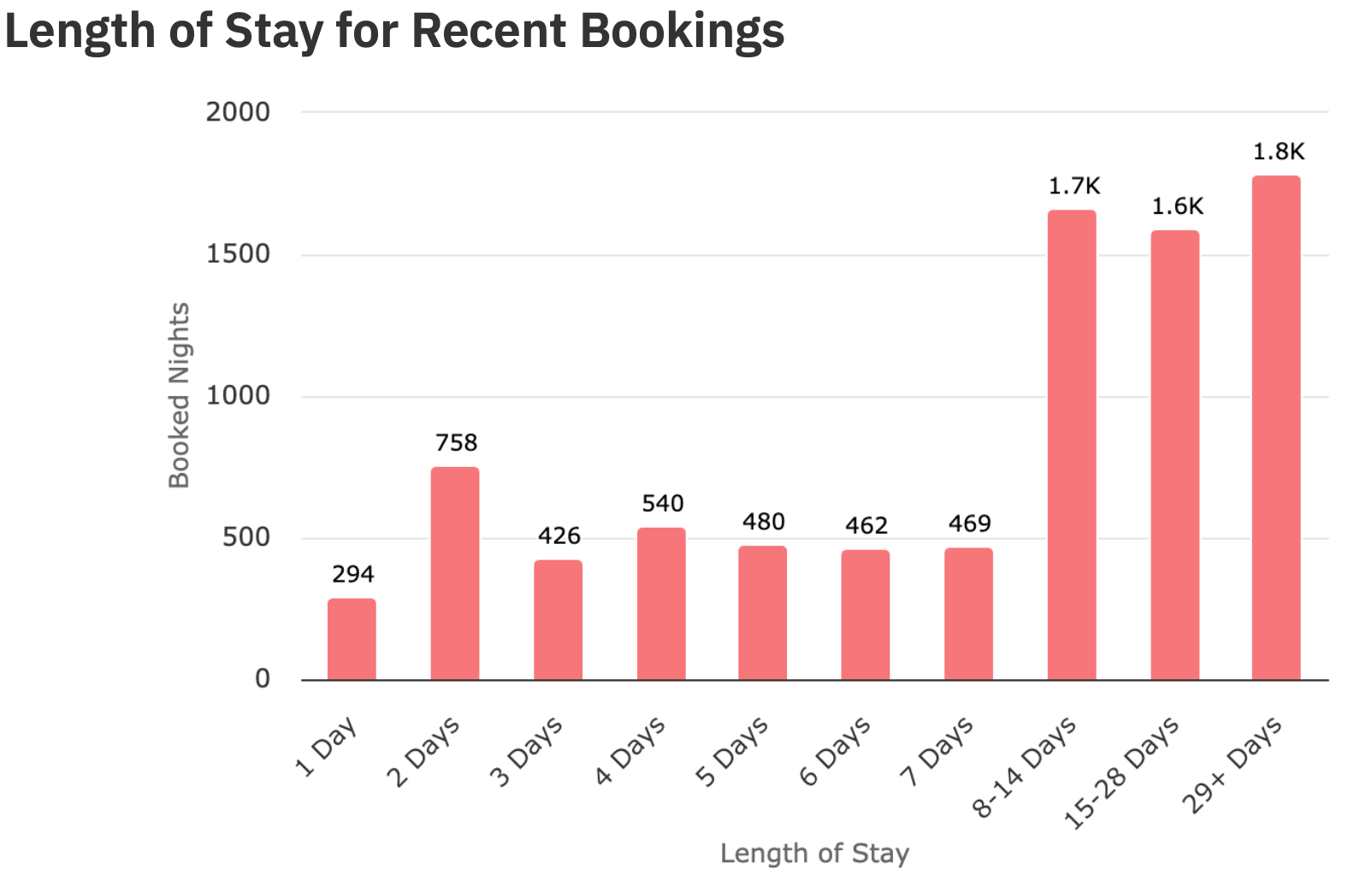
Longer stays continue to play a growing role across Cape Town’s short-term rental market, driven partly by digital nomad culture, flexible work schedules, and people increasingly blending work, lifestyle, and travel together as a way of life.
People are no longer only booking Airbnbs as short holiday accommodation for a few nights at a time. Increasingly, they are aiming to temporarily live inside these spaces while still maintaining elements of their normal routine, whether that means working remotely during the day, cooking proper meals in the evenings, staying close to a favourite surf break for several weeks, or simply wanting a slower and more local experience of the city.
A property designed purely around short weekend stays often feels very different once somebody has been living inside it for ten days, three weeks, or even several months. Small things become amplified over time. Guests start noticing whether there is anywhere genuinely comfortable to work from for several hours a day, whether the kitchen is actually practical to cook in properly, whether storage makes sense for longer stays, whether the lighting feels calming in the evenings, and whether the overall space settles into feeling easy to inhabit over time.
This is part of the reason longer-stay guests often end up being some of the most detail-oriented reviewers, which in itself is an operational advantage. They notice how the space functions beyond the first impression and whether it continues feeling comfortable once the novelty of arriving somewhere new starts fading slightly.
Across areas like Muizenberg, Kalk Bay, Simon’s Town, Green Point, Sea Point, and parts of the City Bowl, many travellers are also actively looking for spaces that feel connected to local life rather than isolated from it. They want cafés they can return to repeatedly, walks that become familiar and environments that feel calm enough to settle into rather than simply pass through briefly. The walking-distance access to independent
restaurants,
cafes and
surf schools is part of what makes these areas appeal to the longer-stay guests who increasingly drive occupancy.
That has significant implications for owners because longer stays often require a much more considered operational setup than many people initially anticipate. The property needs to continue functioning comfortably over time, not just look appealing for the first twenty minutes after check-in.
Longer-stay demand also creates major opportunities from a revenue perspective when managed properly, particularly during quieter seasonal periods where remote workers and extended-stay travellers can help create far more stable occupancy throughout the year. Professionally managed properties are usually able to adapt to these patterns far faster because they are monitoring booking behaviour, seasonal demand shifts, and guest feedback across multiple listings simultaneously rather than making decisions based on a single property in isolation. This is part of what makes the South Peninsula an increasingly popular base for longer winter stays. Our
Cape Town winter travel guide covers the full experience from a guest's perspective.
As Cape Town’s Airbnb market continues maturing, the listings performing most consistently are increasingly the ones evolving alongside the way people actually travel in 2026 rather than relying on assumptions about what worked several years ago.
Booking behaviour is becoming more dynamic and competitive
One of the biggest misconceptions many owners still have about Airbnb in Cape Town is that demand behaves relatively predictably once a property is listed properly. Good photos, a well-furnished apartment, decent reviews, open calendar, and the assumption that bookings will more or less flow steadily from there.
That may have been closer to reality several years ago when the market was less saturated and guests were generally less discerning, but the upper end of the short-term rental market operates very differently now. Booking behaviour has become far more fragmented, reactive, and difficult to predict cleanly because people are travelling in completely different ways to how they were even a few years ago.
Some guests are securing December holidays six months ahead of time while others are booking a Sea Point apartment on a Thursday afternoon because the weather forecast suddenly looks good for the weekend. Remote workers often extend stays gradually week by week once they settle into a property that they enjoy, while international travellers increasingly blend work trips with holidays and families plan around school calendars and longer seasonal stays rather than fixed itineraries.
You can see this shift very clearly in Cape Town’s booking window trends. There is no longer one predictable booking pattern owners can comfortably build static pricing and calendar strategies around, particularly in a market where demand fluctuates constantly between suburbs, seasons, and weather patterns.
The properties performing consistently well are usually being actively monitored and adjusted in response to those shifts almost continuously. Pricing changes around demand movement, occupancy gaps and the type of guest the property is attracting at a particular time of year. Minimum stay strategies evolve as booking patterns change, quieter periods are managed differently to peak season, and availability is often adjusted dynamically rather than remaining fixed for months at a time.
Cape Town makes this even more noticeable because different parts of the city behave completely differently throughout the year. A Muizenberg property catering to surfers, remote workers, and longer stays moves very differently to a Clifton apartment focused almost entirely around peak summer tourism.
The owners generating the strongest long-term returns are usually the ones treating Airbnb less like passive property income and more like an actively managed hospitality business that requires continuous oversight, market awareness, and responsiveness to changing guest behaviour. Increasingly, revenue performance is determined not only by the quality of the property itself, but by how intelligently it is being positioned and managed over time relative to the rest of the market around it.
Guests increasingly expect Professionally Managed standards
Guests remember whether arriving at the property felt calm and straightforward after a long international flight, and whether communication felt responsive when something small went wrong during the stay. Increasingly, people can sense when a property has been thoughtfully prepared and actively cared for compared to when it feels more like an investment unit uploaded onto Airbnb and left to run itself.
In Cape Town specifically, that operational layer becomes particularly important because there are so many local variables constantly influencing the guest experience in ways owners often underestimate at first.
A beautiful apartment means very little if a guest arrives during load shedding and cannot immediately understand how the backup power setup works, or if fibre connectivity drops during an important work call and there is no clear support structure in place to resolve the issue quickly. The same applies to winter damp, coastal humidity, maintenance delays, inconsistent housekeeping, unclear check-in processes, or properties that simply do not feel properly prepared for somebody to comfortably settle into for more than a night or two.
Over time, these smaller operational details are often what separate consistently high-performing listings from average ones. What guests remember most clearly is whether the overall experience felt easy, comfortable, and reliable from beginning to end.
That sense of ease has quietly become one of the most valuable things a property can offer because travellers now expect spaces to function smoothly in a way that simply was not standard across Airbnb several years ago. Reliable WiFi, fast responses, good lighting, practical amenities, clear communication, comfortable layouts, and thoughtful preparation are increasingly being interpreted as basic expectations rather than premium extras.
A lot of owners still underestimate how operationally intensive Airbnb has become at the higher-performing end of the market, particularly in a destination like Cape Town where guest expectations are increasingly shaped by international hospitality standards rather than local comparisons alone. The listings generating the strongest long-term returns are very rarely passive because maintaining that level of consistency requires ongoing attention, responsiveness, and continuous refinement over time.
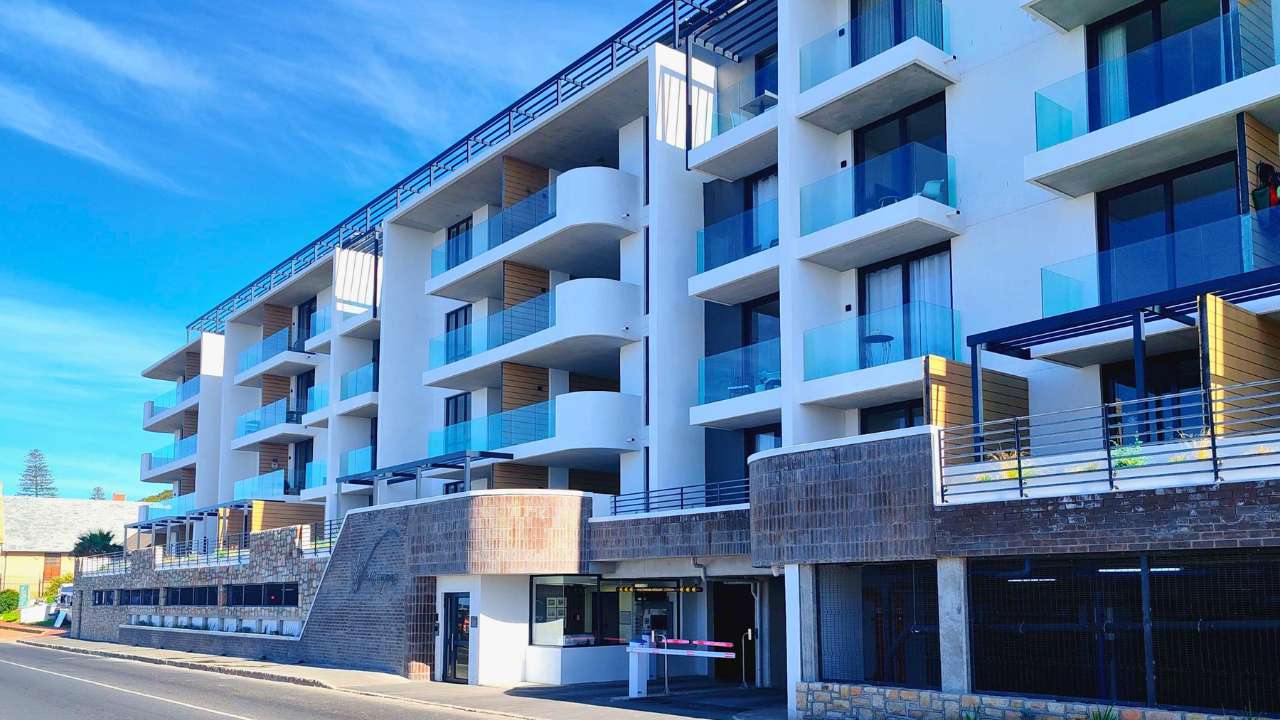
Why high-performing Cape Town Airbnbs require active management
One of the biggest misconceptions about Airbnb is that strong performance is mostly driven by the property itself. In reality, once a market matures, performance becomes increasingly driven by operations.
That shift is happening very quickly across Cape Town.
A beautiful apartment might attract initial interest, but sustaining high occupancy, strong reviews, pricing power, and repeat bookings over time requires a level of responsiveness and ongoing refinement that many owners underestimate until they are already deep in the operational realities of short-term rentals themselves.
Guests are travelling more frequently, working remotely across multiple countries, and comparing properties globally rather than locally. As a result, expectations around communication, reliability, comfort, maintenance, cleanliness, and overall ease have risen dramatically across the market. Travellers notice very quickly when a property feels actively managed versus when it feels like somebody is trying to host around the rest of their life.
At the same time, Cape Town has become a far more operationally demanding market than many owners initially expect. Seasonal demand shifts quickly, guest behaviour changes constantly, coastal maintenance becomes ongoing, and occupancy creates a surprisingly intensive housekeeping, logistics, and support layer over time. Managing one property casually is already difficult. Maintaining consistently high standards while adapting alongside a rapidly evolving market is something else entirely. For a closer look at the operational reality, our guide to
running an Airbnb in Cape Town covers what most owners only learn after their first year.
This is increasingly where the performance gap starts opening up.
In many ways, the Cape Town Airbnb market has now matured beyond passive hosting. Owners wanting to remain competitive over the next phase of the market increasingly need the kind of operational oversight, pricing intelligence, responsiveness, and continuous optimisation that is extremely difficult to maintain consistently without professional infrastructure behind it.
At Mui Stays, that operational layer is managed continuously behind the scenes across pricing strategy, guest communication, maintenance coordination, booking performance, and ongoing property refinement throughout the year. Increasingly, that level of active management is becoming one of the clearest differentiators between properties that plateau and those that continue compounding performance over time.
If you would like a clearer idea of how your property could be positioned and performing within the current Cape Town Airbnb market, you can request a free revenue estimate from the Mui Stays team here:
https://www.muistays.com/list-with-us