Is your Airbnb set up for Cape Town peak season? 8 insider tips to protect your reviews and grow your returns
Written by Daniel Blaauw
If you own an Airbnb in Cape Town and have already done the work of setting it up, you will know that the furnishing, the photographs and the listing are the part of the project most owners enjoy. The real test tends to arrive later and with far less warning, unexpectedly on a Sunday evening in late December, when a family who has driven the length of the N1 from Johannesburg discovers that the hot water has run out after the second shower, the hardware stores are shut until Tuesday and their host, unbeknownst to them, is at a family braai on the other side of the mountain.
What determines how that evening ends is the systems and checks running behind the scenes: who the guest can reach out to, how quickly a plumber can be found over a long weekend, and how much spare linen and stock sits within driving distance. Cape Town’s busiest season has a way of magnifying any flaws in those systems, because the months over the summer season bring the city’s heaviest demand, its tightest turnovers and the longest stretch of closed suppliers all at once, and it is far better to know how your property holds up before those weeks arrive than to find out with guests in residence.
At MUi STAYS we manage more than 50 self-catering homes and apartments across Cape Town and much of what we have learnt from running them exists in the operational detail that guests never see and new owners might not even be aware of. This guide works through the eight areas that newer hosts underestimate most and explains how a professional operation approaches each of them. If you have read our piece on
what nobody tells you about running an Airbnb in Cape Town, consider this its practical companion.
Quick answer: When is your Airbnb ready for guests?
- A Cape Town Airbnb is ready for guests when its marketing, pricing, housekeeping, supplies, maintenance and guest care all hold up between back-to-back bookings, which is a very different test to how the property looks on the day it is photographed.
- Most self-managed Airbnbs rely on one or two booking platforms and fixed seasonal rates, while professionally managed properties are distributed across many channels and priced daily against live market demand.
- Turnovers now rest entirely with the host, since Airbnb’s current house rules limit the check-out tasks hosts can expect guests to complete.
- The greatest operational risk for an individual host is response time, particularly over weekends and public holidays when tradespeople, laundries and suppliers close.
- Short-term rental rules in Cape Town continue to evolve at both platform and municipal level, which makes compliance an ongoing part of running the property.
- Profitability is best measured as revenue after operating costs across a full year, with occupancy as one part of that picture.
In this guide:
- Getting more bookings for your Cape Town Airbnb
- Airbnb pricing strategy in a competitive Cape Town market
- Airbnb cleaning and turnovers between back-to-back stays
- Linen, supplies and replenishment for a short-term rental
- Airbnb maintenance and repairs when guests are in residence
- Guest communication, check-in and reviews
- Keeping up with Airbnb regulations in Cape Town
- Is your Cape Town Airbnb profitable? Measuring performance beyond occupancy

1. Getting more bookings for your Cape Town Airbnb
Most owners list their property on Airbnb, perhaps add it to Booking.com a little later, and then leave the platforms to do the rest. It is an understandable approach, and it is also where a good deal of potential income goes unclaimed, because every booking site draws its own audience of travellers who tend to stay loyal to the one they know. A German family planning a month in the Cape may search on one site exclusively while a Gauteng couple booking a long weekend favours another, so a property that appears in only one place never reaches a large share of the people looking for somewhere to stay.
The natural answer is to list in more places, and this is usually where a self-managing host runs into a scaling problem. Each new listing brings another inbox to answer and another calendar and set of rates to keep current, so a host running four or five channels by hand ends up replying to the same guest questions several times over and checking availability late at night. Sooner or later a booking arrives on one site while another still shows the dates as open, and the double booking lands in the busiest week of the year. Professional operators manage this through a channel management system that connects every listing to one central calendar and inbox, which is what makes it possible to appear on dozens of sites without any of them needing to be watched individually.
Reach also extends well beyond the booking sites, since the strongest operators add marketing of their own, including a direct booking website, content that draws travellers to the area, paid campaigns on social media and a database of past guests who already know the brand. That kind of investment is difficult to justify for a single apartment, and it becomes far more achievable when the cost is shared across a portfolio.
2. Airbnb pricing strategy in a competitive Cape Town market
Pricing is where the gap between an individually run Airbnb and a professionally managed one tends to be widest, and also where it is least visible to the owner. Many hosts set a summer rate and a winter rate, adjust for the festive period and leave it there, and because the calendar fills and the reviews are kind, nothing suggests anything is amiss. The property may still have sold its most valuable nights at a rate set months earlier, before demand had properly shown itself.
Getting a property’s pricing ready for the busy season means looking at each date on its own merits, and for a host doing it alone that is slow work with a good deal of guesswork involved. It means checking what comparable listings nearby are charging, judging how quickly the festive weeks are filling, deciding when to hold a rate and when to ease it, and setting minimum stays that protect the best weeks without stranding the two-night gap between a pair of week-long bookings. Every one of those decisions shifts as the season moves, so a rate that looked sensible in October can be well out of step with the market by early December, and most owners only find out once the booking has already been made.
There are tools built for exactly this, known as dynamic pricing or revenue management software, which track booking pace, competitor rates and local demand and adjust nightly prices in response, though most individual hosts have never come across them. Even with the software in place, it takes local knowledge to recognise that an apartment with its own parking bay a short walk from Surfer’s Corner is a different product in January to the same apartment in June, and that judgement is what turns the data into the right rate.
Across the MUi STAYS portfolio, we use a dynamic pricing platform that adjusts each property’s rates daily against live demand in the Cape Town market, with our team reviewing the results property by property. Because we see booking patterns across more than 50 holiday homes, we can also spot shifts in the market far earlier than a single host could from their own calendar. If you would like a sense of how your returns compare, our look at Cape Town Airbnb performance in 2026 sets out what strong properties are achieving.

3. Airbnb cleaning and turnovers between back-to-back stays
A turnover in a quiet month is a manageable task, and plenty of owners handle it themselves or with a trusted cleaner. A turnover in high season is a different exercise altogether, with a 10am check-out, a 3pm check-in and an apartment that has to be returned to guest ready freshness in the hours between, often on the same day as several other changeovers nearby. Anyone who has cleaned a beach apartment after a family of five will also know how much sand can find its way into a place in a single week.
The responsibility for that work now sits squarely with the host, because Airbnb’s current house rules limit the check-out tasks hosts can ask of guests, so stripping the beds, washing up and starting a load of laundry are no longer things a host can count on, and a turnover schedule that actually relied on guest help now needs more time, more hands or both. For hosts running tight changeovers on their own, it has been an unwelcome adjustment.
What housekeeping is ultimately judged on is consistency, since a guest arriving on the third changeover of a long Saturday expects exactly what the first guest found, from the made beds to the spotless shower, and any small lapse finds its way into a review almost immediately. That consistency depends on trained people, clear standards and a check after every clean, along with cover for the morning the regular cleaner calls in sick.
4. Linen, supplies and replenishment for a short-term rental
Behind every well-presented stay sits a well considered supply chain that most owners only notice once it runs short. Linen is the obvious example, where the common hospitality guideline of three full sets per bed, with one on the bed, one in the wash and one on the shelf, still leaves very little margin in the busiest weeks for a stained duvet cover or a guest who decides to stay an extra night.
Consumables work in much the same way, with toilet paper and dishwashing liquid running out fastest, though guests notice the smaller things just as quickly, from a near-empty bottle of olive oil to the last coffee pod, so every changeover needs a count and a top-up that keeps pace with the bookings. For a host managing this alone, the harder part is usually storage and timing, because a small apartment seldom has room for a season’s worth of stock, and the shortfall tends to surface at 8pm on a public holiday, when a guest messages to say the gas bottle for the braai has run dry and the nearest shop that sells one has closed for the night.
Scale makes a great deal of difference here, and MUi STAYS runs a fully dedicated laundry warehouse of its own so that linen turnaround and stock levels stay in our hands through the busiest weeks of the year. Our replenishment warehouse itemises, packs and dispatches everything each property needs with our cleaning teams every day, and we supply our own eco-friendly range of guest toiletries and cleaning products, refilling rather than replacing wherever we can. With that stock always on hand, we can usually resolve a guest’s request within hours of it coming in.

5. Airbnb maintenance and repairs when guests are in residence
Every property needs repairs eventually, and coastal homes certainly require extra TLC, with salt air and windblown sand wearing steadily on everything from door locks to outdoor furniture. What separates a repair guests never notice from one that ends up in a review is usually timing, and timing depends far more on the system behind the property than on any single fix.
That system starts with regular inspections on a set schedule, where every appliance and fitting is assessed against its age and condition, so that wear is caught while there is still time to plan the work and very few repairs arrive as an emergency.
The other half is response, because however well a property is maintained, the occasional repair will still come up while a guest is staying. In Cape Town the hardest weeks for this are December and early January, when many tradespeople close for the builders’ holiday, and having trusted contractors on call before the season starts, along with a clear record of every repair and its history, is what allows a problem to be fixed within hours.
Both depend on information moving quickly, which is why every small issue is best logged the moment it is noticed, during a clean or a routine visit, and followed through until it is resolved. It is the approach we take across every property we manage, and it remains one of the least visible parts of what good management involves.
6. Guest communication, check-in and reviews
Guests judge a stay as much by how they are looked after as by the property itself, and that impression begins well before arrival, with how quickly an enquiry is answered and how clearly the check-in details are explained. Most guests arrive after a long journey, so the arrival information is worth treating as part of the property itself, written for someone tired and unfamiliar with the area and containing everything they need to settle in without having to send a message.
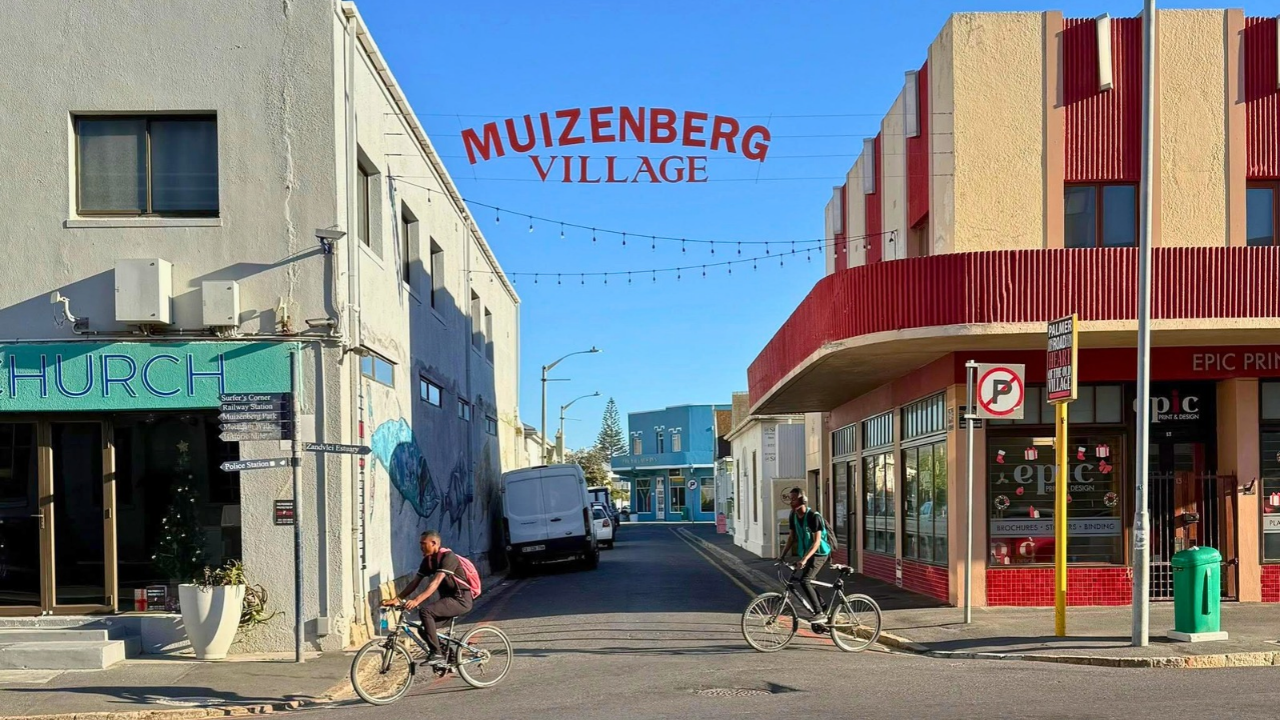
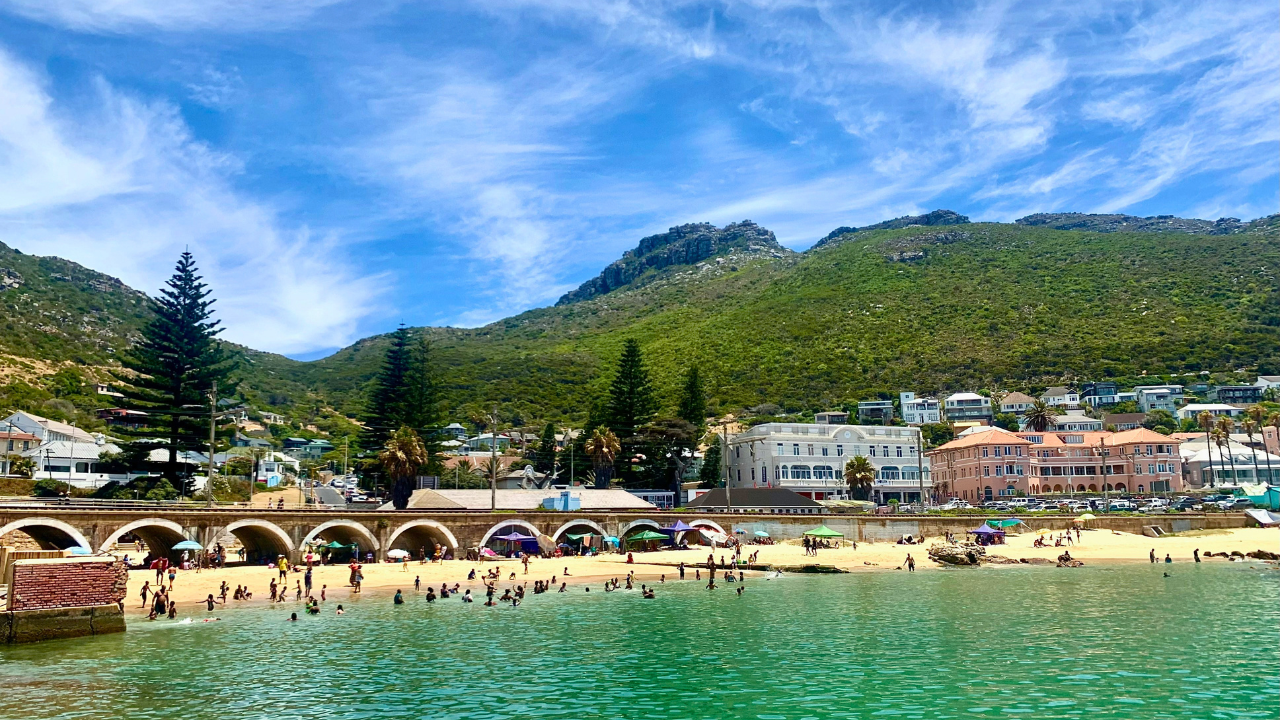
During the stay, the questions tend to be small and practical, and guests expect answers at hours that suit them, which in practice includes late evenings and public holidays. Having cover arranged for those hours matters more than most owners expect, as does genuine local knowledge, since a good recommendation for things to do in Muizenberg or the best coffee shops in Muizenberg often stays with a guest for longer than the décor does.
All of this shows up in the reviews, which remain at the top of a listing for months and feed directly into how the booking platforms rank it, so the quality of guest care has a measurable effect on both visibility and income. Responding thoughtfully to every review, including the occasional critical one, is part of that care, and it shows future guests a great deal about how they will be looked after. You can read what guests say about staying with us in our guest reviews. For deposits and damage claims, many Cape Town hosts use LekkerGuest, a local platform built for exactly that purpose and one we rate highly.

7. Keeping up with Airbnb regulations in Cape Town
Running a short-term rental in Cape Town involves keeping track of rules that change at two levels. The booking platforms revise their policies from time to time, covering matters such as what hosts may ask of guests and how listings should be worded, and listings that are out of step with the current rules can lose visibility in search. The City has also been moving towards closer oversight of short-term letting, including how these properties are rated and registered, and further changes are likely as the market matures.
These changes are manageable, and the owners who handle them best are those with someone reading past the headlines, working out what each change means for their particular property and adjusting the listing and house rules in good time.
Keeping on top of this is part of how we look after every property we manage. For a detailed look at the City’s latest rates policy, read about how the new rates tariff affects short-term rentals in Cape Town.
8. Is your Cape Town Airbnb profitable? Measuring performance beyond occupancy
A busy calendar is satisfying to look at, though occupancy on its own says surprisingly little about how well a property is performing. A home that is booked solid all summer can still fall short if its best weeks were sold at its lowest rates or if cleaning and repair costs absorbed much of the margin, and the owner’s own time rarely makes it into the sums at all. The more useful measure is revenue after costs across a full year, set against what comparable properties in the same area are achieving.
Getting to that figure means bringing together platform payouts and operating costs, then looking at the result alongside the wider market, which is difficult to see from a single property’s calendar. Owners who review their numbers this way each year tend to make far better decisions about pricing and upgrades, and about when the property is worth reserving for their own use.
For our owners, a dedicated portfolio manager who knows the property personally brings this picture together, with bookings visible through our owner portal at any time and insight from across the portfolio feeding back into each home’s pricing and presentation. It is a large part of what Airbnb management in Cape Town should offer an owner, and if you are weighing up your options, our guide to choosing an Airbnb property manager in Cape Town covers the questions worth asking first.

Preparing your Cape Town Airbnb for guests
Most of what guests remember about a stay is carefully curated long before they arrive, by systems that sit behind the property and are only really tested once it is busy. A well-prepared Airbnb is one where those systems have been thought through in advance, so that the family arriving on a Sunday evening in December finds the hot water running and a host who answers within minutes, and never has reason to think about what made that possible.
Looking back over the eight areas in this guide, the most useful question to ask of each one is what happens when it comes under pressure, and who deals with it. Where the answer is a clear plan, the property is in good shape for the season ahead, and where it is less certain, there is still time to put that plan in place before the busiest weeks of the year arrive.
Airbnb management in Muizenberg and the South Peninsula
If you would like a second opinion on how your property measures up, we offer a free 15-minute property consultation with our founder, Daniel Blaauw, for owners across Muizenberg and the wider South Peninsula, as well as for anyone considering an investment in Cape Town’s short-term rental market. Complete the short form and our team will be in touch within 24 hours. We take on a limited number of new properties each month, so it is worth getting in touch ahead of the season.
Frequently asked questions
How do I get my Airbnb ready for guests?
Beyond furnishing and listing the property, a guest-ready Airbnb needs systems that hold up between back-to-back stays, from housekeeping and supplies to repairs at any hour and prompt replies to guests. In Cape Town these systems are tested hardest between mid-December and mid-January, so they are best in place well before then.
What should I plan for after setting up an Airbnb in Cape Town?
Once the property is set up, the focus shifts to running it well, from how widely it is listed and how it is priced to how turnovers, repairs and guest communication are handled day to day. Each of these areas benefits from a consistent system behind it, which is where most of a property’s long-term performance is decided.
Is Airbnb profitable in Cape Town?
It can be, particularly for well-located properties that are priced dynamically and run to a consistent standard. Profitability depends on location and pricing as much as occupancy, so it is best judged as revenue after costs over a full year.
What does Airbnb management in Cape Town include?
A full-service manager typically looks after the listings and pricing, guest communication, housekeeping and maintenance, along with regulatory updates and owner reporting. At MUi STAYS, cleaning and laundry both run in-house, and the full scope is set out on our property management services page.
When is the best time to hand over management of a Cape Town Airbnb?
Ideally a few months before the busy season, which gives the manager time to refine the listing, set pricing and complete any maintenance before demand peaks. Beyond that, the right moment is usually when the workload of running the property begins to outweigh the enjoyment of owning it.